


Understanding the psychology behind why we gamble A deep dive into the mind of a player
The Allure of Risk and Reward
The thrill of gambling lies in the inherent uncertainty and the potential for significant reward. Many players are drawn to the adrenaline rush that comes with the possibility of winning. This excitement can trigger dopamine release in the brain, often likened to a euphoric state. The promise of a life-changing win keeps players engaged, as they often daydream about what they would do with their newfound riches. For those interested in online options, https://grizzlyquestcasino-canada.com/ offers a vibrant platform filled with opportunities.

This anticipation can create a cycle of behavior where the act of betting becomes a source of excitement. Players may ignore the odds against them, focusing instead on the rewards that can accompany a successful gamble. Even small wins can reinforce this behavior, solidifying the link between risk and pleasure in the gambler’s psyche. Each bet becomes an opportunity to relive that high, leading to repeated visits to gaming tables or online platforms.
The allure of gambling is not just about monetary gain; it also taps into deeper psychological needs for excitement and escape. Many players use gambling as a way to cope with stress or boredom. The momentary escape from reality can be intoxicating, providing a distraction from daily pressures. This psychological need often fuels gambling behaviors, as players seek out that thrill again and again, despite the risks involved.
The Role of Cognitive Biases
Cognitive biases play a significant role in gambling behavior. The illusion of control, for example, leads players to believe they can influence outcomes through skill or strategy, even in games of pure chance. This misguided belief can encourage continued play, as individuals overestimate their abilities and underestimate the role of luck. This bias creates a false sense of security, contributing to compulsive gambling habits.
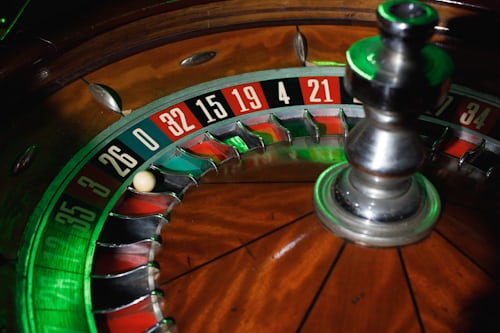
Another prevalent cognitive bias is the gambler’s fallacy, where players believe that past events will influence future outcomes. For instance, if a roulette wheel has landed on red several times in a row, a player might bet on black, thinking that it’s “due” for a win. This fallacy can lead to a perpetual cycle of betting, as players chase perceived patterns in a fundamentally random environment. The persistence of these biases highlights the complex psychology at play in gambling.
Additionally, the framing effect can influence decisions in gambling. How a gamble is presented can significantly impact a player’s willingness to engage. For example, advertising may emphasize the winnings while downplaying the risks, leading individuals to view gambling in a more favorable light. These psychological constructs help explain why many individuals find it challenging to walk away from gambling, despite potential negative consequences.
Addiction and Escalation
The transition from casual gambling to addiction can be subtle yet alarming. Many players start with the intent to enjoy a harmless pastime but gradually find themselves entrenched in compulsive behaviors. This shift often involves increasing bets and seeking out riskier games, fueled by the initial euphoria of winning. Addiction can lead to detrimental impacts on various life aspects, from finances to relationships.
The psychology of addiction is rooted in the brain’s reward pathways. As players engage in gambling, their brains adapt, requiring higher stakes to achieve the same level of excitement. This escalation can be alarming, as individuals begin to chase losses, believing that a significant win is just one bet away. The loss of self-control is a hallmark of gambling addiction, making it challenging for individuals to recognize the harmful trajectory they are on.
Furthermore, social factors can exacerbate gambling addiction. Peer pressure, cultural acceptance of gambling, and the availability of online platforms can all contribute to the escalation of gambling behavior. Friends and family may unknowingly support unhealthy habits, creating an environment that normalizes excessive gambling. Understanding these influences is critical in addressing the psychological foundations of gambling addiction.
The Emotional and Social Dimensions of Gambling
The emotional experience tied to gambling is multifaceted. For many, it provides a sense of belonging and community, particularly in social settings such as casinos. Players often form connections with others who share similar interests, leading to a social environment that reinforces gambling behaviors. These bonds can create a sense of loyalty to both the game and the group, making it challenging to step back from gambling.
Moreover, gambling often serves as an emotional outlet for individuals dealing with life stressors. Whether it’s financial worries, relationship issues, or job-related pressures, gambling can provide temporary relief. This emotional crutch, however, can quickly spiral into a dependency, as players might rely on gambling as their primary coping mechanism. The temporary relief can cloud judgment, leading to a cycle of emotional highs and lows that further entraps individuals in gambling.
The mix of thrill, social interaction, and emotional escape creates a potent cocktail that can ensnare players. Understanding these dimensions allows for a deeper insight into why some individuals find it difficult to resist the allure of gambling, despite its dangers. The psychological connection to gambling is deeply rooted in emotional and social needs that are often overlooked.
Grizzly Quest Casino: A Balanced Approach to Gaming
Grizzly Quest Casino acknowledges the psychological complexities behind gambling. With an extensive selection of over 2,000 games, it aims to provide entertainment while promoting responsible gaming practices. The platform offers tools to help players set limits, ensuring that the experience remains enjoyable and within personal boundaries.
Moreover, the site is designed to foster a safe and engaging environment for players, emphasizing the importance of healthy gaming habits. With features like quick transactions in Canadian dollars and trusted payment options, Grizzly Quest Casino seeks to enhance user experience while also prioritizing player well-being. Responsible gambling education is integrated into the platform, helping players make informed choices about their gaming activities.
Ultimately, Grizzly Quest Casino aims to cater to both casual players and those seeking a more serious gaming experience. By offering support and resources, it encourages a balanced relationship with gambling, allowing individuals to enjoy the thrill without losing sight of the potential risks involved. Understanding the psychology behind gambling is crucial for all players, and Grizzly Quest Casino is dedicated to promoting a healthy gaming culture.
0.Comments